
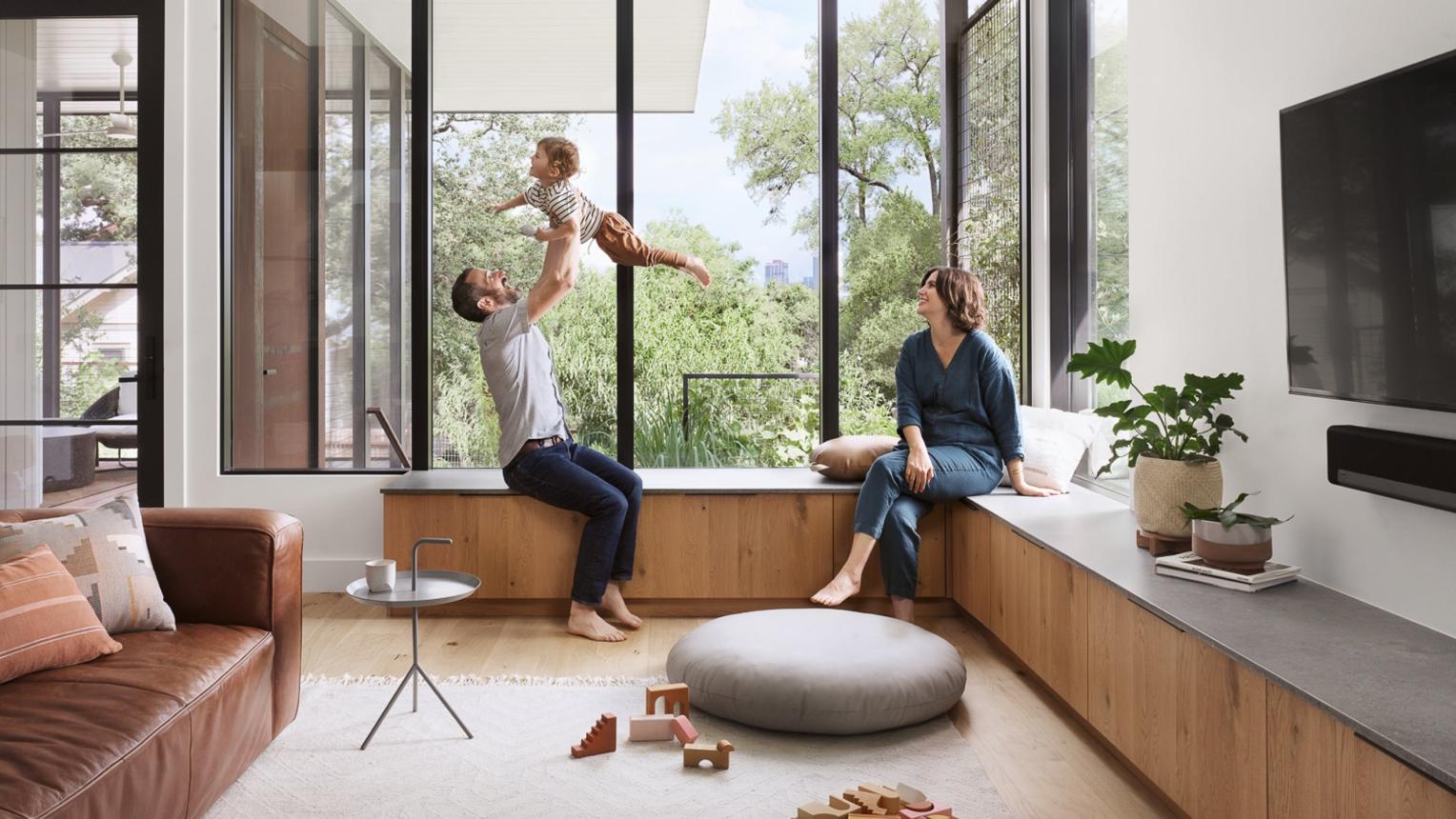
Passive House Design and Human Health

A few years ago, I visited a building that completely changed how I think about construction. On paper, it wasn’t extraordinary. No luxury interiors. No futuristic design. No high-end materials meant to impress visitors. But the moment I stepped inside, something felt different.
The air was steady. The temperature did not shift from room to room. There was no cold draft near the windows, no overheated corners, no background noise from outside.
It felt… calm.
That was my first real exposure to what is known in modern sustainability as passive building design.
Most buildings we live and work in today behave like unstable systems. They constantly lose heat, pull in uncontrolled air, and rely heavily on mechanical systems to fix what the structure itself cannot maintain.
This creates a cycle: Outside conditions keep entering → systems keep compensating → energy is wasted → indoor comfort fluctuates.
We don’t always notice it, but our bodies do. Sudden temperature changes, poor air quality, and inconsistent ventilation all create low-level stress on the human system. Over time, this can affect energy levels, sleep quality, and overall well-being.
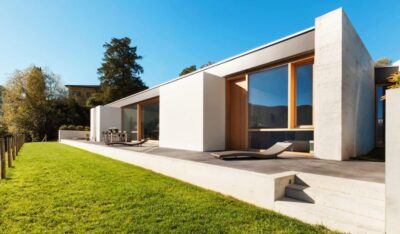
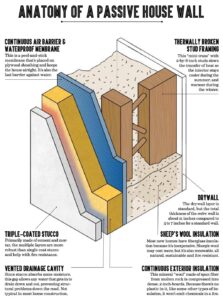
Passive building design approaches this problem differently. Instead of continuously fixing discomfort, it prevents it at the source. A passive building is designed to maintain a stable indoor environment through its structure itself: high-performance insulation, airtight construction, controlled ventilation, and energy recovery systems.
But when you look at it more deeply, it is not just about engineering efficiency. It is about reducing environmental noise for the human body. Think of it like this: Your body functions best when internal systems are stable. Passive buildings try to create the same kind of stability in the environment around you.
- No sudden drafts.
- No unnecessary heat loss.
- No uncontrolled air leakage.
- No constant correction is needed from heating or cooling systems.
Everything works in balance.
This is why many people describe passive-certified or high-performance buildings not as “efficient,” but as comfortable in a different way—a deeper, quieter kind of comfort. It is the kind of environment where you don’t notice discomfort because it is not there in the first place.
What makes this approach even more important today is how much time we spend indoors. Homes, offices, schools, hospitals, almost every part of modern life happens inside controlled structures. That means the building is no longer just a shelter. It becomes an environment that continuously interacts with human biology.
Passive design recognizes this shift. It moves construction away from reactive systems (heating, cooling, correcting problems) toward preventive design thinking, where the structure itself minimizes instability.
When I reflect on that first building I visited, I realize something simple:
The goal was never to impress the eye. It was to support the human body without interruption. And perhaps that is the most important direction modern construction can take: Not buildings that demand attention. But buildings that quietly support life in the most natural way possible.